
Foundations of Prayer
Bob Yandian
Prayer is one of the most widely discussed subjects in the Body of Christ, yet it is also one of the most misunderstood. Many believers enter into prayer without knowing what the Word of God actually teaches about it. Instead of praying according to Scripture, they often pray according to personal desire, emotion, or tradition. Prayer was never designed to manipulate people, circumstances, or even God. Prayer was designed to operate in harmony with God’s will, God’s Word, and God’s authority.
More ignorance and unsound teaching surrounds the subject of prayer than almost any other subject found in the Word of God. Many believers attempt to elevate prayer above Scripture, choosing to pray rather than study the Word. Prayer then becomes a substitute for Bible study instead of a product of it. When this happens, prayer loses its power and becomes ineffective.
The foundation of all powerful prayer is the Word of God. Prayer does not stand alone. Prayer must be built upon knowledge, understanding, and application of Scripture. Without the Word, prayer becomes nothing more than religious activity.
The Word and the Holy Spirit Always Agree
Many people justify unscriptural prayer by saying, “The Holy Spirit told me.” Yet the Holy Spirit will never contradict the Word of God. The Word came from God. Jesus Christ is the Word made flesh. The Holy Spirit is the revealer and power of the Word. All three members of the Godhead agree.
Why would one member of the Godhead contradict another? The Word and the Spirit always work together. The Holy Spirit does not bypass Scripture; He reveals it. If what someone claims the Spirit said contradicts the Word, then it was not the Holy Spirit speaking. Prayer originates with God. It flows from Jesus Christ, the Word, and is energized by the Holy Spirit. Therefore, prayer that contradicts Scripture cannot produce God’s results.
Salvation Brings Rest, the Word Brings Freedom
Jesus said, “Come to Me, all you who labor and are heavy laden, and I will give you rest” (Matthew 11:28). Those who labor and are heavy laden are sinners—those burdened by life, guilt, and unanswered questions. Salvation brings rest. When a person puts their faith in Jesus Christ, the weight of sin is removed.
But Jesus did not stop there. He continued by saying, “Take My yoke upon you and learn of Me.” Notice He did not say, “Pray first.” He said, “Learn of Me.” Salvation gives rest to the spirit, but learning the Word brings rest to the soul.
This same truth is emphasized when Jesus said, “If you continue in My Word, then you are My disciples indeed. You shall know the truth, and the truth shall make you free.” Truth alone does not make a person free. Knowing the truth makes a person free. Prayer without knowledge produces frustration. Prayer based on the Word produces freedom. Prayer is only one means of putting God’s power to work. There is also quoting the Word, standing on the Word, patience in the Word, and obedience to the Word. Every aspect of the Christian life must align with Scripture, and prayer is no exception.
Prayer Does Not Override Free Will
Prayer was never designed to override human will. God honors free will because He created it. Even God will not force people to be saved against their will. Prayer is meant to remove satanic hindrances that block a person’s ability to choose freely. Prayer comes against spiritual blindness, demonic deception, and oppression. We have authority over serpents and scorpions—over all the power of the enemy. We can break Satan’s hold temporarily so that people can see clearly and make a decision.
Jesus prayed, “Father, forgive them, for they know not what they do.” His prayer did not force anyone to believe, but it opened the door. After His death, many who witnessed the crucifixion later accepted Him as Lord.
God Is Looking for One Mature Believer
Some believe that prayer only works if enough people are praying. Scripture does not support this idea. God once said He looked for one person to stand in the gap and found none. One believer in agreement with God’s Word is powerful. God responds to faith, not numbers. Faith comes by hearing and understanding the Word. One mature believer praying in line with Scripture can change circumstances, redirect nations, and alter spiritual atmospheres.
Faith-Based Prayer Is Not Always Immediate
Not every prayer is answered instantly. Many prayers are answered later—sometimes much later. God is not limited by time. He works through circumstances and develops maturity in believers so that when the answer comes, it will not destroy them.
Some prayers are answered after the one who prayed has already gone to heaven. Scripture tells us that many died in faith without receiving the promise in their lifetime. That does not mean the prayer failed. It means God’s timing extended beyond their lifetime. God never answers prayers too late. He answers them at the right time.
Praying the Word Is the Most Powerful Prayer
The most powerful prayer a believer can pray is the Word of God. Scripture-filled prayer carries faith. Faith-filled prayer produces results. The Apostle Paul was a master of praying Scripture. His prayers were filled with promises, truths, and revelation from the Word. Faith is either released through prayer or through quoting Scripture. Both are effective when rooted in the Word.
Types of Prayer Found in Scripture
There are many types of prayer in Scripture, but five general categories stand out:
Fellowship with God
This includes thanksgiving, praise, and worship. Fellowship prayer is not petitioning God for needs; it is communication and relationship. We thank Him for salvation, eternal life, the Holy Spirit, and His faithfulness.
Petitioning God
Petition prayer addresses personal needs—healing, finances, and changing circumstances. Petition prayer must be based on God’s promises. Quoting Scripture brings confidence and faith.
Intercession
Intercession is praying for others. It is standing in their place before God. Intercession is not always emotional or dramatic; it is simply prayer on behalf of someone else according to Scripture.
Specific Direction Prayer
This prayer seeks God’s will and guidance. It involves patience, listening, and trust. God promises direction to those who ask in faith and wait on Him.
Praying in Tongues
Praying in tongues helps believers pray beyond their understanding. It allows the Holy Spirit to guide prayer when direction or clarity is needed.
The Holy Spirit Leads Us to the Word First
When believers truly depend on the Holy Spirit in prayer, the first thing He does is lead them into the Word. The Holy Spirit guides us into truth before He guides us into prayer. Knowledge of Scripture is the foundation for the prayer of faith. Faith comes by hearing and understanding the Word. Without the Word, prayer lacks direction. With the Word, prayer becomes effective, powerful, and results-oriented.
Prayer Built on the Word Works
Prayer is not a shortcut around Scripture. Prayer is the application of Scripture. When prayer is rooted in the Word, empowered by faith, and guided by the Holy Spirit, it produces results. God is not moved by emotion, pressure, or repetition. He is moved by faith—and faith is built on His Word. Pray the Word. Stand on the Word. Trust the Word. And allow prayer to become what God intended it to be: a powerful expression of faith aligned with heaven itself.

Prayer is one of the most important subjects in the Bible. In three sermon series Bob Yandian breaks down the different types of prayer, Paul's example of New Testament prayer, and how to pray powerful prayers. This USB flash drive contains 37 MP3 audio lessons by Bob Yandian, a topical study on prayer.
Series titles: Different Kinds of Prayer, The Prayers of Paul, The Power of Prayer
37 MP3’s
The MP3s can be listened to on computers, MP3 players, smartphones,
tablets, iPads, iPhones, as well as car stereos equipped with USB
connections.
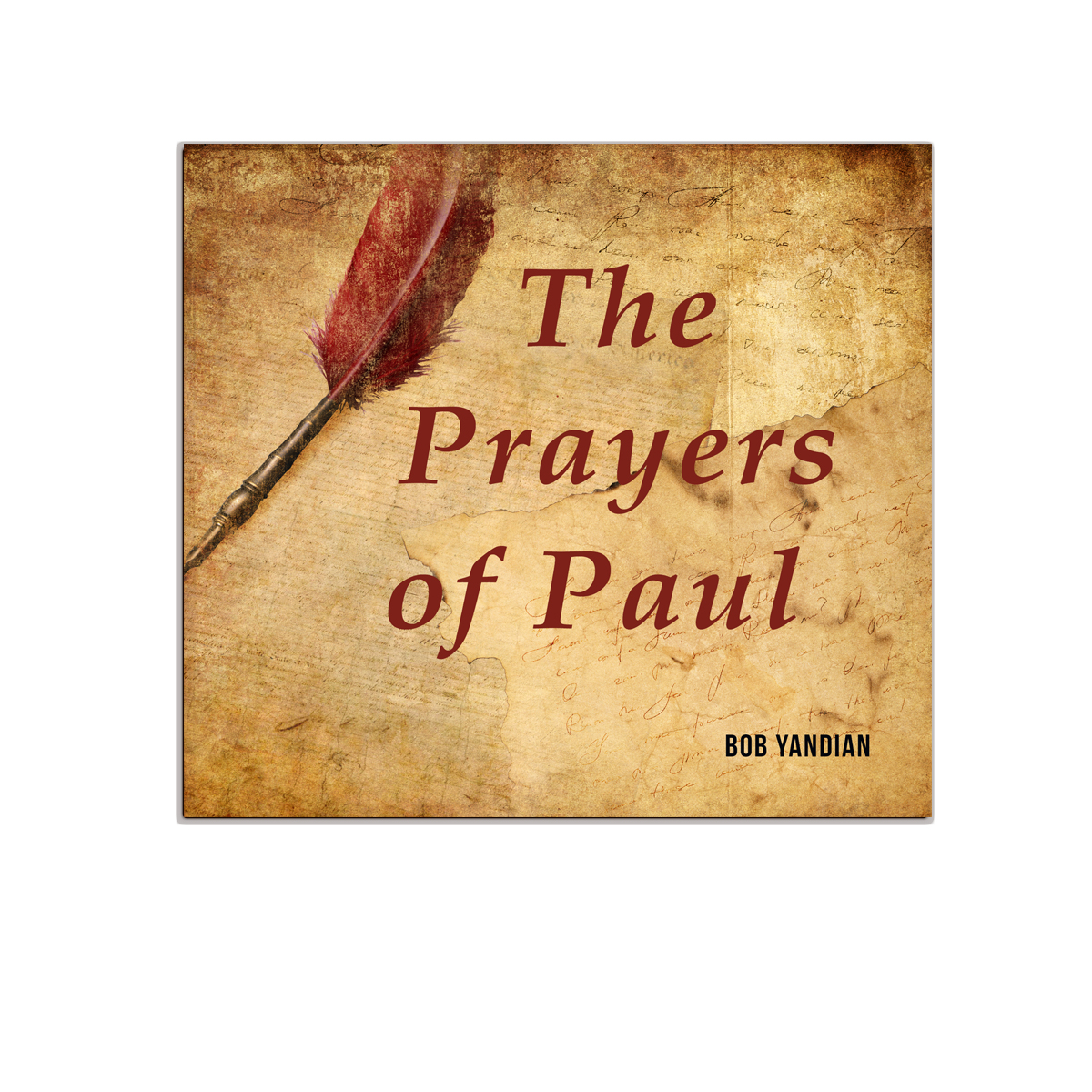
If you ask most Christians what they pray for, the typical response is for their health, their finances, and the salvation of their loved ones. But in studying the prayers of Paul, you will learn Paul rarely prayed for his own needs. He mainly prayed for others, especially for believers. This series examines the prayers that Paul prayed in the epistles.
22 MP3s

Almost three-quarters of a century after Hebrew believers turned the world upside down, much of the church at Jerusalem had become mired in the legalistic trenches of Judaism and mixed the Mosaic law with their faith in Christ. Like a disease, this tainted doctrine spread to the rest of the church, provoking the apostle Paul to respond with what has become one of the most intricate and astounding revelations of Jesus Christ in the New Testament.
Using historic biblical detail and nuances from the original Greek, Bob Yandian dissects Paul's brilliant argument for the superiority of Jesus Christ, starting with an introduction to the hypostatic union. Yandian then goes on to explore, verse-by-verse, several other themes including the walk of maturity, the reality of authority, and the importance of faith. Yandian's commentary is concerned not only with enlightenment but with application as believers are challenged to take their place as coheirs of the risen and glorified King of kings.
188 Pages