
Satan's Subtle Devices
Bob Yandian
1 Corinthians 6
vs. 12 “All things are lawful for me, but all things are not helpful. All things are lawful for me, but I will not be brought under the power of any.”
“All things are lawful for me, but all things are not helpful…” Literally, all things are necessary. All things are not profitable. But he does say, “All things are lawful to me… all things are lawful, but I will not be brought under the power of any.” The word power actually means the rulership or domination. “I will not be brought under the rulership or domination of any.”
Let me qualify what Paul means by “all things are lawful.” He doesn’t mean that sin is lawful. He’s referring to anything outside of sin that people want to qualify as right or wrong in life. In other words, one of Satan’s devices is not only to come at us with sin but if he can’t conquer us with sin, then he’ll try to get us caught up in legitimate things that occupy a lot of our time. And Paul is saying here, “There are a lot of things in life that are legitimate, but I will not be brought under the domination of any of those.”
I’m talking about Satan’s desire and plan for your life. Just as the Word of God declares that Satan is out to kill, to steal, and to destroy, yet it’s not always by blatant means. It’s not always by the things that we often think. Therefore, demons are not only in the business of coming at us with sin, but if they can’t conquer us with sin, they’ll try to tempt us in other areas of life, in the legitimate areas of life.
Paul goes on to tell us that he’s not saying sin is lawful for him. What the Word of God declares to be sin is what we need to be careful of.
vs. 13 “Foods for the stomach and the stomach for foods, but God will destroy both it and them. Now the body is not for sexual immorality but for the Lord, and the Lord for the body.”
Now the body is not for fornication “…but for the Lord; and the Lord for the body.” Paul draws a distinction here between legitimate things in life and compares those to food for the stomach, but he also talks about illegitimate things in life that would be sinful.
As the pastor of a church, one thing I have to watch out for is any sin that creeps into the congregation. Sins can come in waves. For a time, the church might be hit with marriage problems and fornication in the church or sometimes homosexuality would start to creep in, or people begin to get into lust for other things – things that the Bible describes as sin. Of course, we have to be careful of that. This helps me to aim my prayers as well as ask the Holy Spirit, “Is it time to minister on these subjects?”
Satan, also, comes in the door and he’ll bring people through that want to put us into bondage over things that really aren’t described in Scripture. Some people want to monitor our dress or what we eat, or what we watch or certain movies or television or things like that. These are legitimate things in life where we need to know where to draw the line personally in our own life. What would bring us into bondage and what would not?
Every Christian has areas of strengths and areas of weaknesses, and no two Christians are exactly alike. Two Christians can sit down and start to criticize somebody and say, “My, I didn’t know you felt that way.” “Yes, I do.” “Isn’t this wonderful Christian fellowship?” Well, this is not Christian fellowship at all. You both just have the same common hatred for one person. Two people who didn’t get along until one common enemy walks into their life, and then suddenly they get along. I find this true in the life of Jesus. He was hated by the Sadducees, the Pharisees and hated by a political group called the Herodians. Not only did they hate Jesus, they hated each other. They hated each other so much they couldn’t be around each other. That is until Jesus came along. Then they dropped all their differences to come against Jesus.
Here were three odd bedfellows together, three groups that didn’t get along at all, hated each other, yet they could come together when it came to running down or getting rid of the Lord Jesus Christ, who was a common threat to all three of them.
vs. 13 “Foods for the stomach and the stomach for foods, but God will destroy both it and them. Now the body is not for sexual immorality but for the Lord, and the Lord for the body.”
This verse of scripture is talking about the things that creep into a church. Not only was there fornication in the Corinthian church, but we also have people making a mockery of the communion table. They were using the communion table as a time of fellowship. They had fellowship groups which were legitimate. There is a time to eat and a time to fellowship with each other, They were actually making more out of communion than they should have been.
This is another way that Satan comes in and we often describe this as legalism. Legalism is actions that the Bible does not call sin, but people make a major issue out of. Oftentimes people make mountains out of molehills. Things that really are not wrong with your life, they will make them issues. They will often say that the Holy Spirit has spoken to them and told them that is a sin.
Let me qualify something here. If the Word of God doesn’t say it’s a sin, then it’s not a sin. Unless the Holy Spirit speaks and tells you that something has a stronghold in your life that is outside of the Word of God.
Smith Wigglesworth would not have anything in his house except a Bible. No books. There isn’t any Scripture against this. But he felt very much convicted by the Holy Spirit, personally, that he would not have anything else in his house except the Word of God. And the man who was my instructor for a year under Charles Duncombe, who traveled with him, walked up to his house one morning with the London Times rolled up in his hand, and Smith said, “Come on in, but drop the newspaper.” He wouldn’t even allow the newspaper to come inside his house.
You might think that’s a little bit strict, but how many of you have raised that many people from the dead? It contributed to the power in his life. Often times, people who think this way want to tell it to others and make a formula out of it. Or, people will read the story of Smith Wigglesworth and think the secret to his power was the fact he didn’t have any newspapers in his house, so they will bar magazines and newspapers from their house, and wonder why they don’t have the same strength and power as Smith Wigglesworth. It really came from the core of his consecration to God and this was just a by-product of it. Something personal in his life.
So, what Paul is saying here in this verse of scripture is, everything in life is lawful. If the Word of God doesn’t have something to say about it, then it’s lawful. New things come and things go. Things that were considered sinful or “outside of the Word of God” in denominational circles a few years ago don’t exist today, and hang on, a few years from now, there will be new sins cropping up that don’t exist today. Again, times change and things change.

Where did demons come from? Are they the same as fallen angels—or something entirely different? What really happened between Genesis 1:1 and 1:2?
In this compelling teaching series, Pastor Bob Yandian explores one of the Bible’s most controversial topics: the origin of demons, the fall of Lucifer, and the mysterious civilizations that may have existed before Adam. Drawing from passages in Genesis, Isaiah, Jeremiah, and Ezekiel, Bob lays out a clear, Scripture-based case for a pre-Adamic race, the gap between creation and restoration, and the judgment that led to the Earth becoming “without form and void.”
You’ll discover:
The biblical meaning behind the word replenish
Why God judged a race before Adam
How Lucifer fell and became Satan
How Angels appear in the earth
How the function of Old Testament angels differ from New Testament angels
What the response is of angels to our prayers
This series is not about speculation—it’s about studying the Word of God without fear. Whether you’ve wrestled with these questions for years or are hearing these ideas for the first time, you’ll walk away with greater understanding and fresh insight into God's plan from beginning to end.
Bob Yandian discusses what the Bible has to say about angels and demons in this comprehensive study. This USB flash drive contains 15 MP3 audio lessons by Bob Yandian, a topical study on angels and demons.
Series titles: Angels God's Messengers, A Study of Angels, The Christian and Demons, A Study of Demons
The MP3s can be listened to on computers, MP3 players, smartphones, tablets, iPads, iPhones, as well as car stereos equipped with USB connections.
Deepen Your Understanding of Scripture
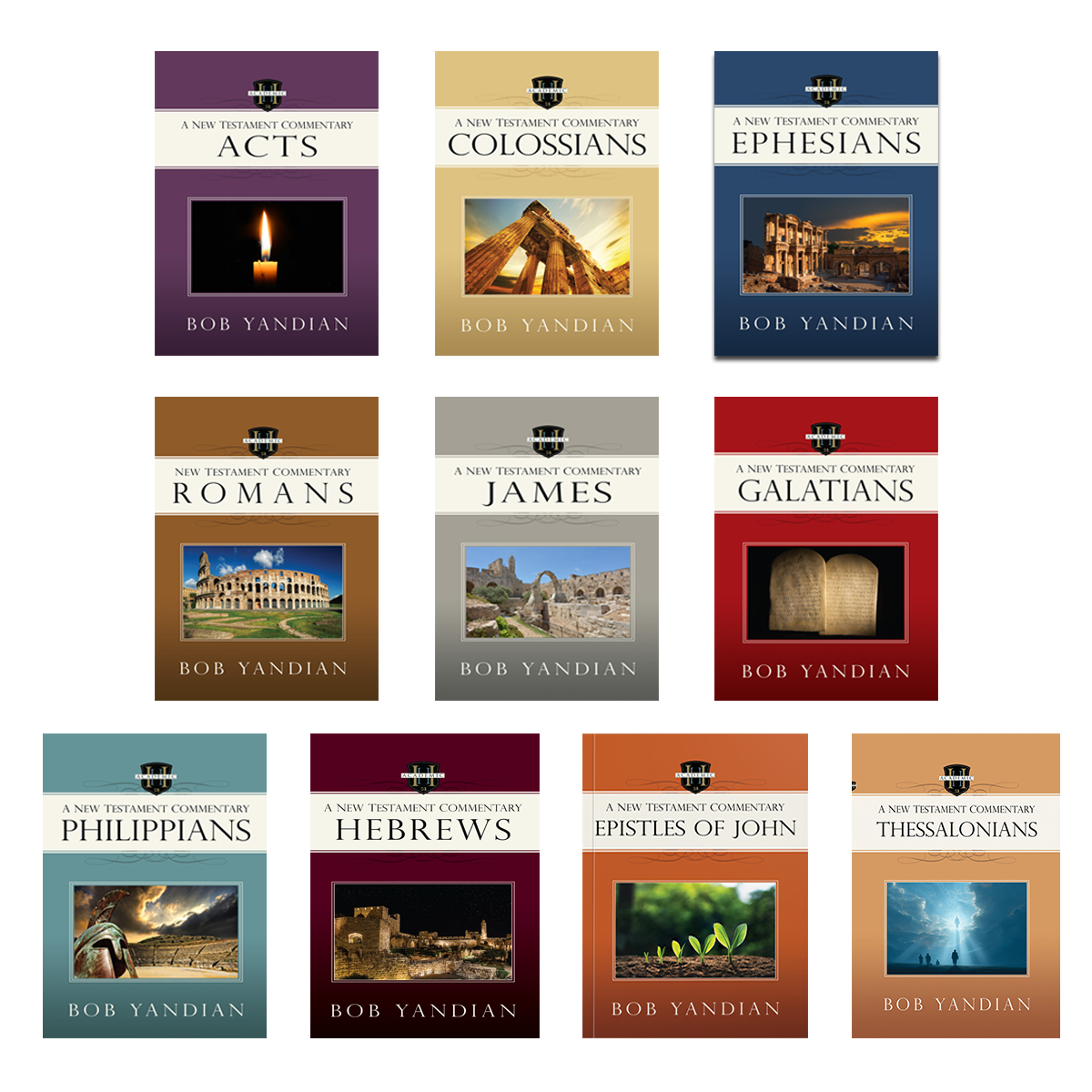
Unlock fresh insight into God’s Word with the New Testament Commentary Bundle from Pastor Bob Yandian — a comprehensive collection of verse-by-verse commentaries on ten foundational New Testament books. Carefully crafted from years of pastoral teaching and study, this bundle equips believers, students, and church leaders with clear explanation, practical application, and spiritual depth.
Purchase this book bundle and save! This bundle includes one of each of Bob Yandian's New Testament Commentary books listed below.
Acts Commentary
Romans Commentary
Galatians Commentary
Ephesians Commentary
Philippians Commentary
Colossians Commentary
James Commentary
Hebrews Commentary
Epistles of John Commentary
New! Thessalonians Commentary
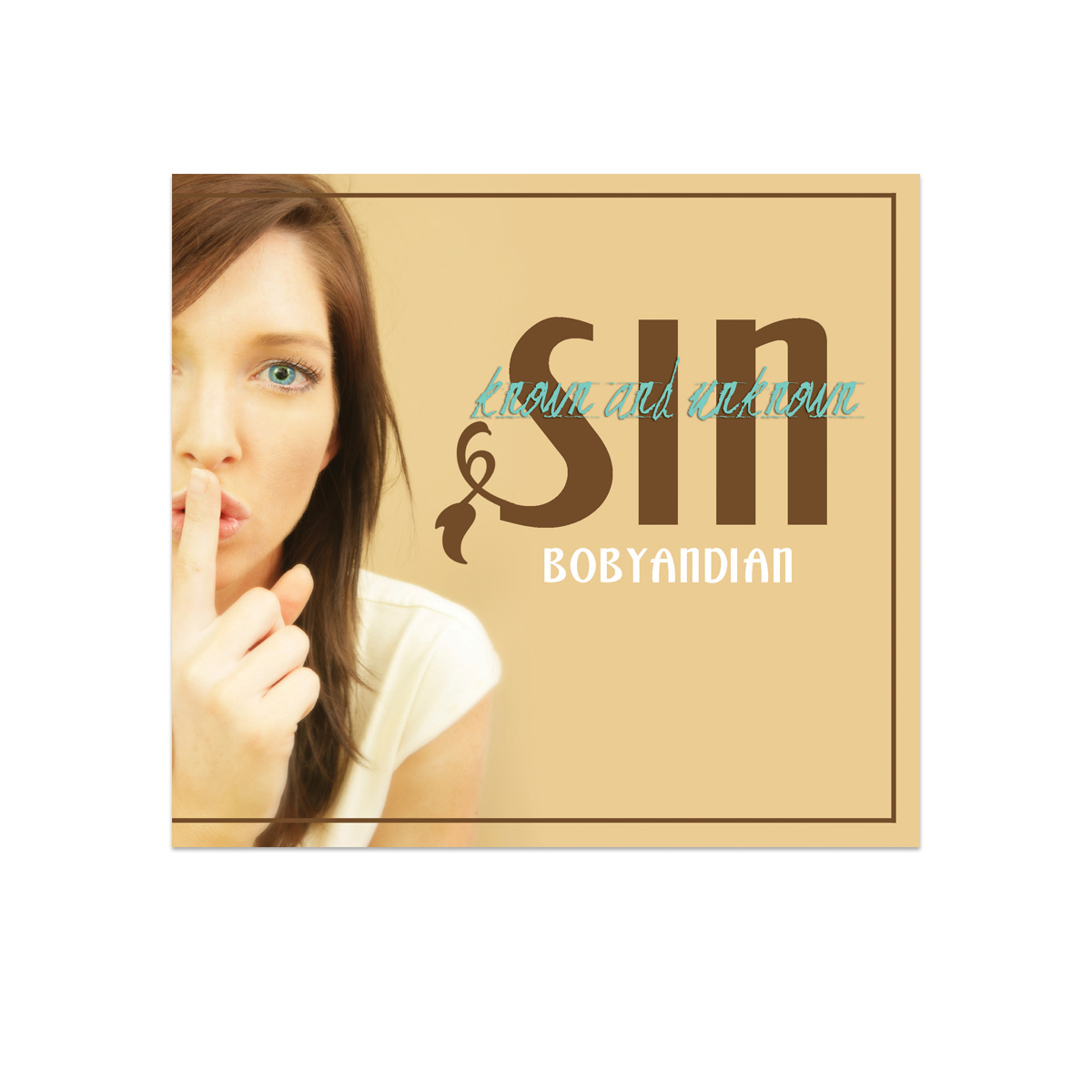
God only holds us accountable for what we know even when we sin. The Bible says all have sinned and fall short of the glory of God. How does a sinner deal with sin and how does it differ from the way a born again believer deals with sin?
Bob Yandian will give a clear explanation of the difference between known, unknown, and willful sins. He will also discuss why 1 John 1:9 is for the Christian alone and not for those who have not accepted Jesus Christ as their Lord and Savior.
Sermon Titles:
What You Don’t See
Victory Over Three Transgressions
2 CDs
God only holds us accountable for what we know even when we sin. The Bible says all have sinned and fall short of the glory of God. How does a sinner deal with sin and how does it differ from the way a born again believer deals with sin?
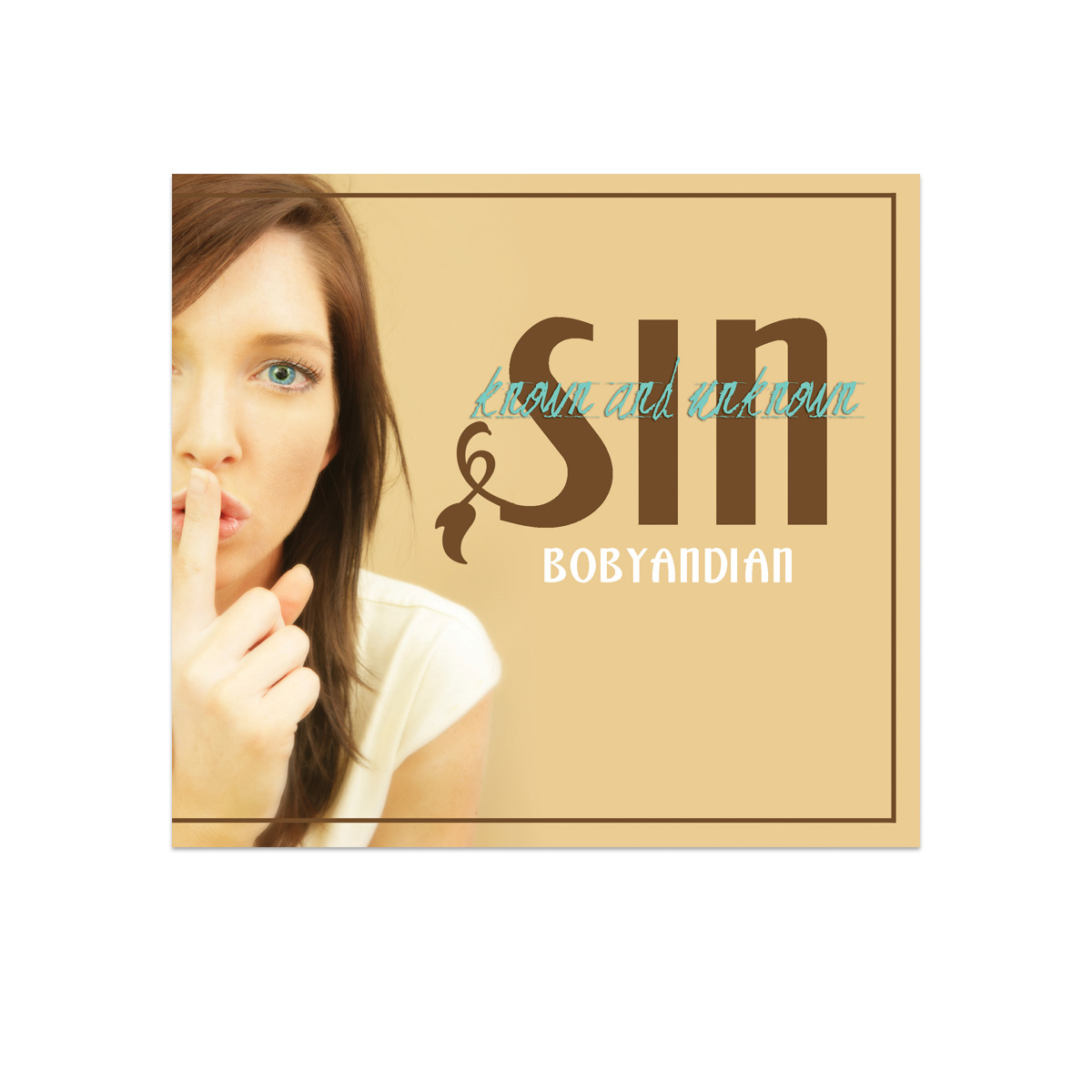
Bob Yandian will give a clear explanation of the difference between known, unknown, and willful sins. He will also discuss why 1 John 1:9 is for the Christian alone and not for those who have not accepted Jesus Christ as their Lord and Savior.
Sermon Titles:
What You Don’t See
Victory Over Three Transgressions
2 MP3s / MBT25