Threefold Redemption
Bob Yandian
One of the reasons believers struggle with confidence in their Christian walk is a misunderstanding of salvation. Scripture speaks of salvation as something that has happened, something that is happening, and something that will happen. Without proper teaching, this sounds contradictory. Some believers assume salvation can be lost. Others think salvation is incomplete. Still others try to divide salvation into separate experiences.
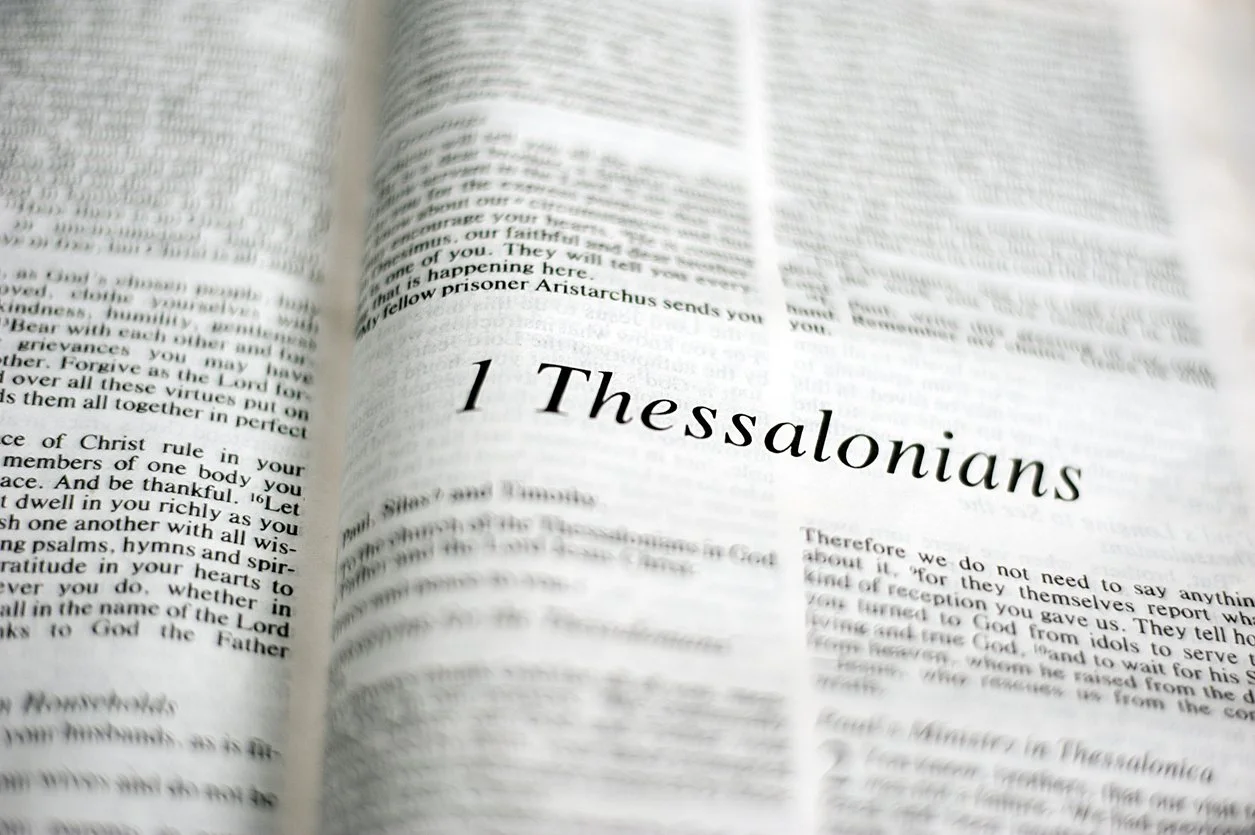
But the Word of God never contradicts itself. What Scripture reveals is not three different salvations, but three dimensions of one complete salvation—working together, perfectly coordinated by God. Paul summarizes this truth in 1 Thessalonians 5:23–24:
“Now may the God of peace Himself sanctify you completely; and may your whole spirit, soul, and body be preserved blameless at the coming of our Lord Jesus Christ. 24 He who calls you is faithful, who also will do it.”
The word whole means entirely, completely, lacking nothing. Salvation addresses the entire man: spirit, soul, and body. When we understand this, the Scriptures harmonize instead of conflict.
Three Scriptures That Reveal Three Tenses of Salvation
Here are three passages that appear to say different things:
“Who has saved us…” (2 Timothy 1:9). This is salvation spoken of in the past tense.
“Work out your own salvation with fear and trembling” (Philippians 2:12). This describes salvation as a present process.
“Now is our salvation nearer than when we believed” (Romans 13:11). This presents salvation as a future event.
These verses are not teaching three salvations. They are teaching three phases of one salvation; each connected to a different part of man.
The First Aspect: Salvation of the Spirit — An Accomplished Fact
The moment you accepted Jesus Christ as Lord and Savior, your spirit was born again. This happened instantly, completely, and eternally.
Jesus said in John 1:12, “As many as received Him, to them He gave the right to become children of God.”
Salvation is not achieved by works. It is received. God did all the work. He planned redemption, sent His Son, paid the price at the cross, and raised Him from the dead. Salvation is offered as a gift, not a reward. The moment you believed, your spirit was made alive. Your name was written in the Book of Life. Your relationship with God was established forever. This is what Paul refers to in 2 Timothy 1:9, “who has saved us.”
Your new birth cannot improve. Your spirit cannot become more righteous. It is 100% perfect. Luke 7:50 says, “Your faith has saved you.” Titus 3:5 declares, “According to His mercy, He saved us.” Ephesians 2:8–9 tells us salvation is by grace through faith, not of works. This salvation happens in a moment—faster than you can measure time. It is final. It will never change.
Relationship Is Permanent — Fellowship Is Not
Your relationship with God is located in your spirit, and it can never be broken. But your fellowship with God operates through the soul. This distinction is critical. This is why 1 John 1:9 exists. It is not written to restore relationship, but to restore fellowship. When we sin, our spirit remains righteous, but our soul becomes contaminated by wrong thinking, emotions, or choices. Fellowship is restored through confession and the cleansing of the Word. Your spirit is complete. Your soul is not.
The Second Aspect: Salvation of the Soul — A Lifelong Process
While your spirit is saved instantly, your soul is being saved progressively. Paul says in 1 Corinthians 1:18, “But to us who are being saved…” Hebrews 10:39 tells us we believe “to the saving of the soul.” James 1:21 says the Word of God is “able to save your souls.”
Your soul includes your mind, will, and emotions. When you were born again, your soul did not receive instant renewal. If you were saved at 25 years old, that means you had 25 years of worldly thinking to undo. Romans 12:1–2 explains this process, “Be not conformed to this world, but be transformed by the renewing of your mind.”
This is not instantaneous. It is daily, progressive, and never completed in this lifetime. The Word of God works line upon line, precept upon precept. Growth happens gradually. The Bible is infinite in depth. No matter how much you know, there is always more. Scripture is like a diamond—you can look at the same verse for years and still see new facets.
Why the Word of God Is Central
The Word of God renews the soul. The more you think like God thinks, the more your soul aligns with your spirit.
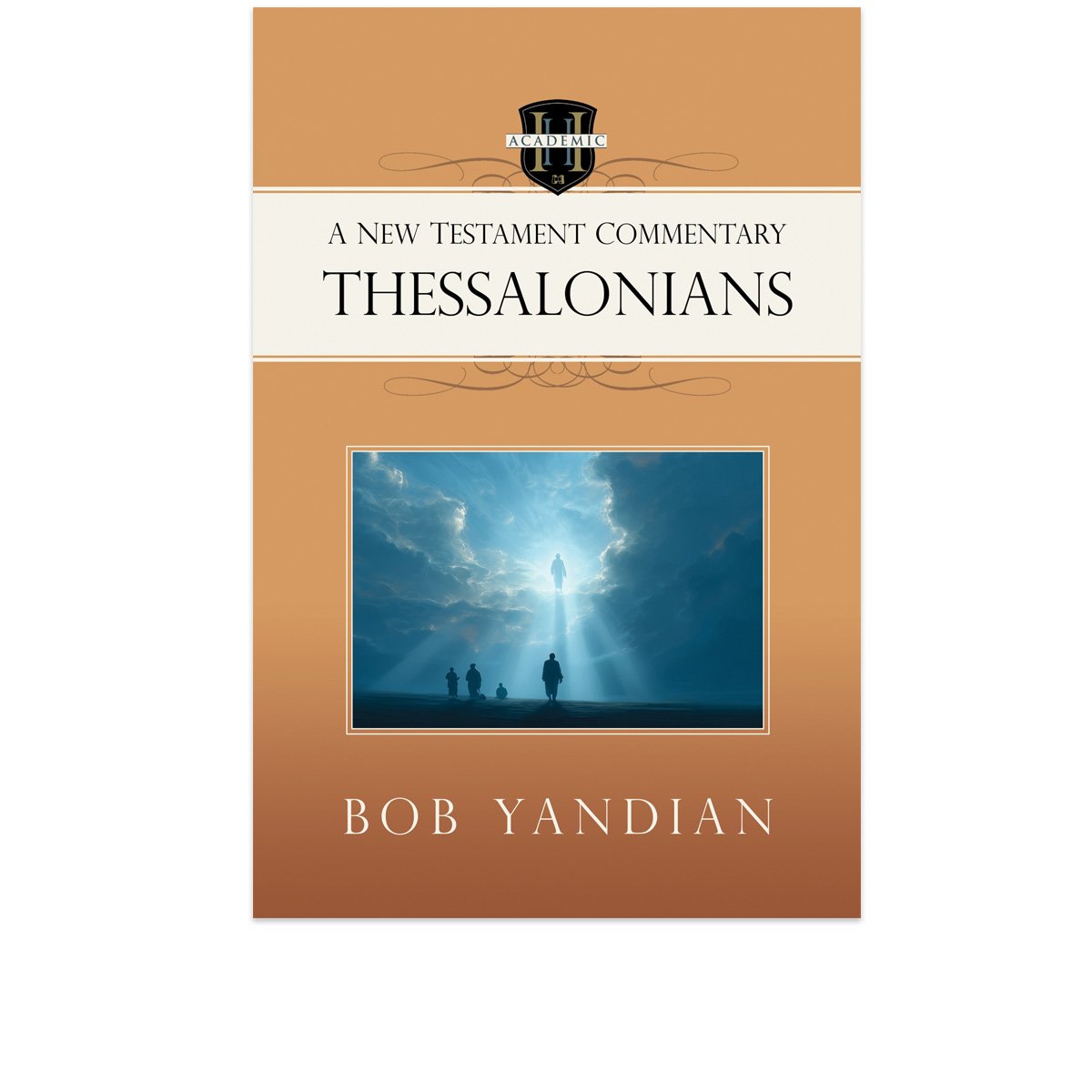
Stand Firm in Truth - Your Victory is Closer Than You Think
Are you feeling the weight of a world spiraling toward chaos? Are you troubled by the rise of deception, the shifting of moral ground, or the uncertainty of end time events? Do you wonder how to live faithfully when fear and confusion seem to dominate the headlines and even creep into the Church?
Through years of in-depth study and ministry, bestselling Bible teacher Bob Yandian uncovers the Apostle Paul’s Spirit-inspired counsel to the Thessalonian church - a blueprint for thriving in the last days without losing hope or spiritual footing. Drawing from two of the clearest New Testament books on the Rapture, Christ’s return, and victorious Christian living, this breakthrough resource reveals how you can stay anchored, fruitful, and fearless in uncertain times.
In Thessalonians, you will discover how to:
Grasp and proclaim the powerful difference between the Rapture and the Second Coming.
Expose and refute false teaching and spiritual deception.
Withstand persecution with unshakable faith, joy, and testimony.
Conquer trials through faith, love, and Spirit-empowered endurance.
Advance the gospel and transform your world for Christ.
You don’t have to be shaken by the enemy’s lies or the darkness of our times. God’s Word offers clarity, comfort, and courage for every believer. This is your call to rise above confusion, walk in daily victory, and hold fast to the hope of His appearing.
“The rapture of the Church should not bring fear into our hearts but comfort.” - Bob Yandian
120 Pages
Deepen Your Understanding of Scripture
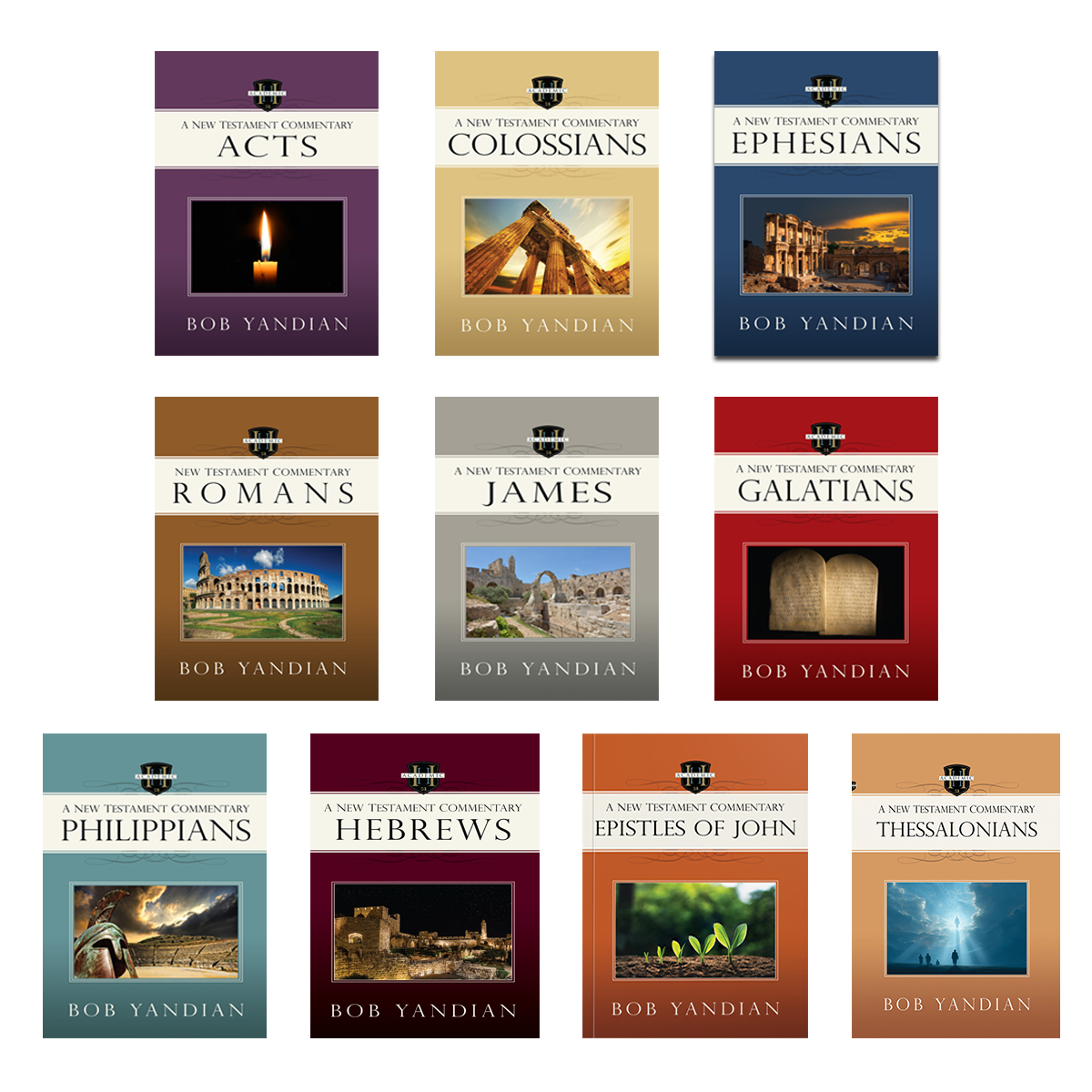
Unlock fresh insight into God’s Word with the New Testament Commentary Bundle from Pastor Bob Yandian — a comprehensive collection of verse-by-verse commentaries on ten foundational New Testament books. Carefully crafted from years of pastoral teaching and study, this bundle equips believers, students, and church leaders with clear explanation, practical application, and spiritual depth.
Purchase this book bundle and save! This bundle includes one of each of Bob Yandian's New Testament Commentary books listed below.
Acts Commentary
Romans Commentary
Galatians Commentary
Ephesians Commentary
Philippians Commentary
Colossians Commentary
James Commentary
Hebrews Commentary
Epistles of John Commentary
New! Thessalonians Commentary
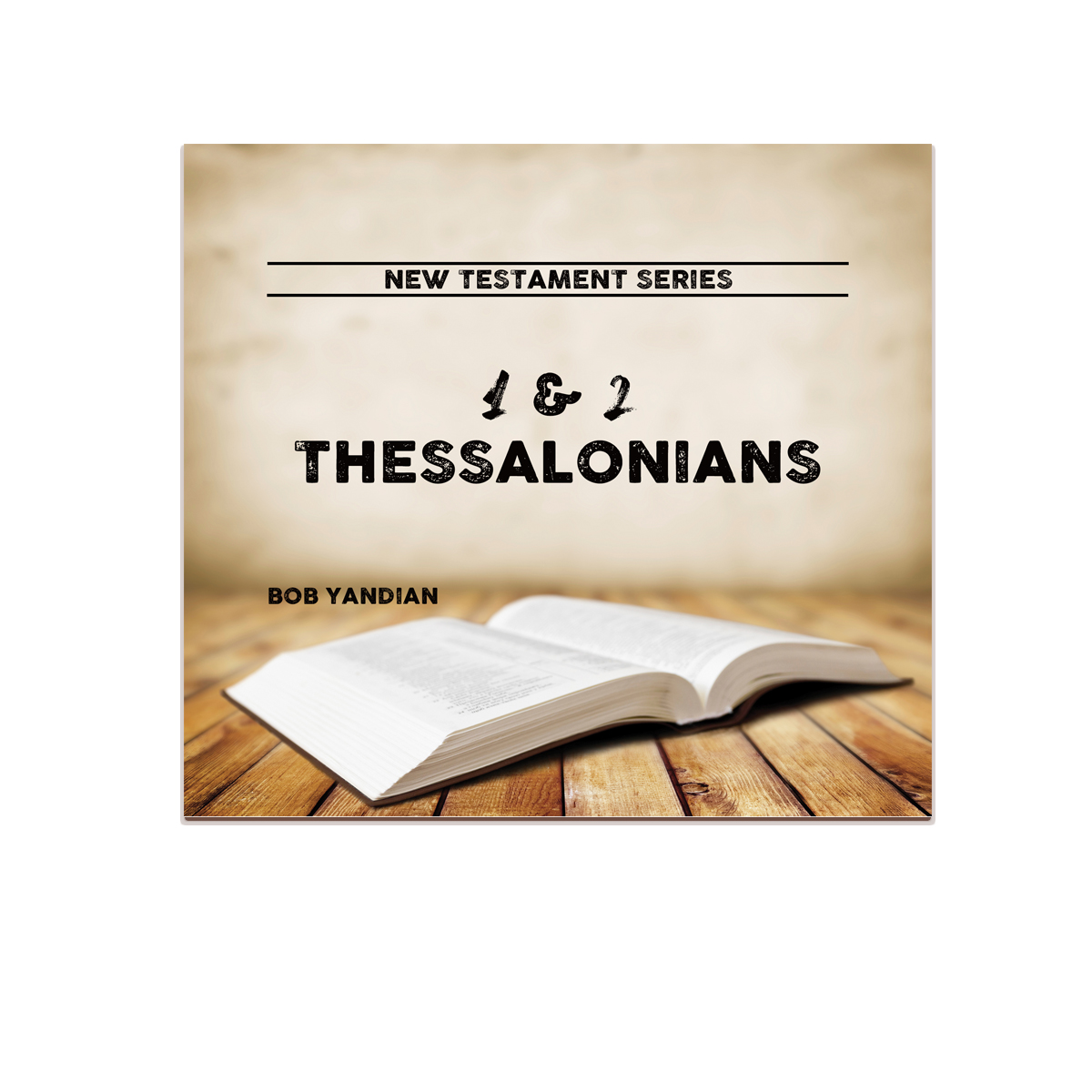
This is a verse by verse teaching of 1 & 2 Thessalonians.
20 MP3s / MNT33